
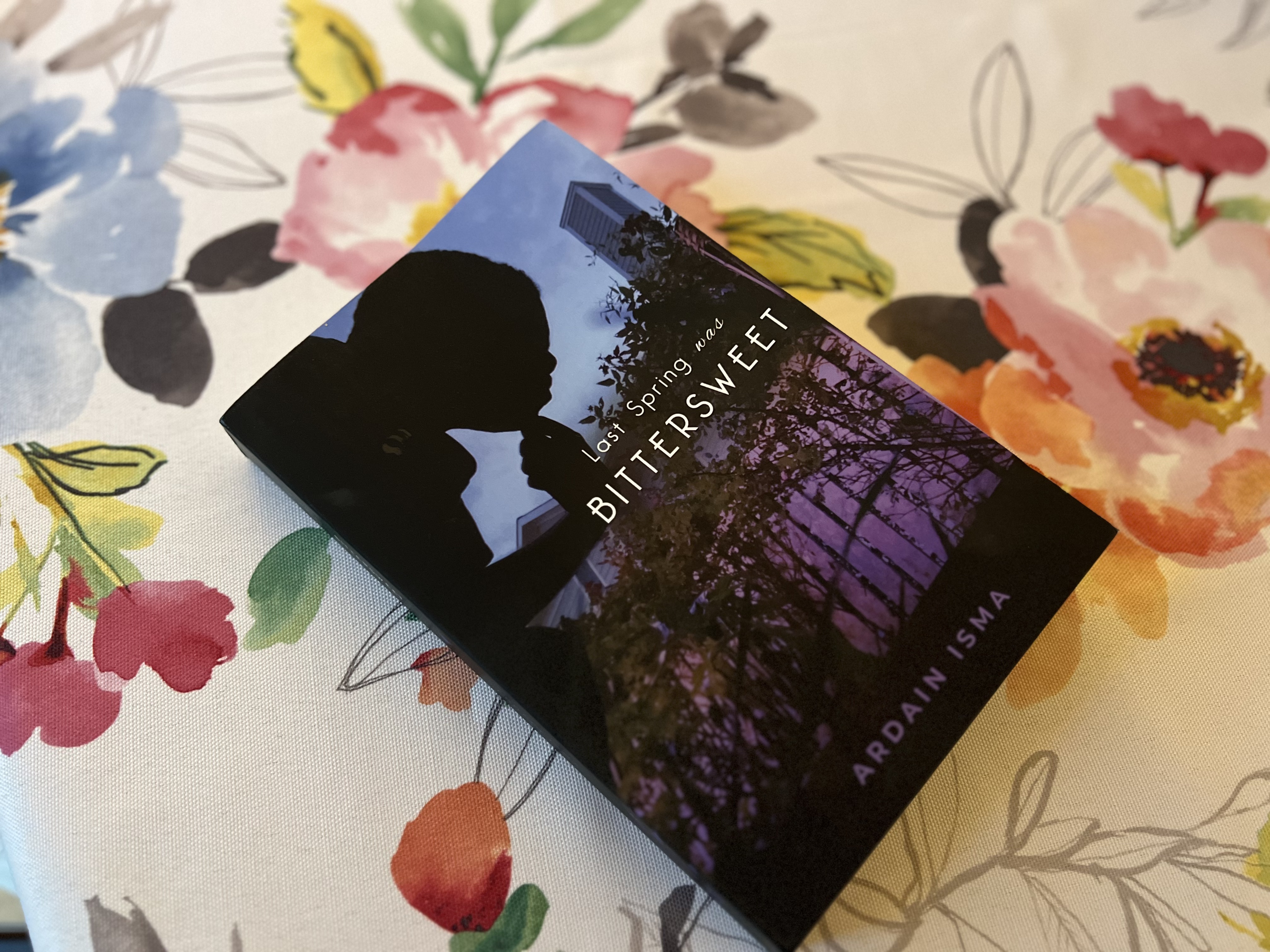
Last Spring Was Bittersweet is a sequel to Ardain Isma’s poignant immigrant novel Bittersweet Memories of Last Spring. It is the story of Yrvin Lacroix, aka Vinco, a Haitian refugee who sets foot on the soil of Miami. Nurturing hope, he looks for fresh beginnings to carve his identity in a new country.
The ride is not smooth, having several jolts and bumps, and Yrvin faces trials and tribulations all the way. Despite the obstacles, his sincerity and work ethic yield results, making it possible for him to attain an undergraduate degree from a prestigious institution. He also finds love in Michaela, a mixed-race girl of Dominican origin. Yrvin’s problems, however, are far from being over, for a new chapter unfolds in his life. Michaela gets pregnant, and her parents, who are not in favor of her relationship with Yrvin, send her off to France.
The continuing saga of Yrvin Lacroix in Book Two
With the same power and finesse, Ardain Isma builds up from where he left off in Book One. Heartbroken as he is, Yrvin needs to put the pieces together, for there is a lot to be achieved.
With his sister Nana’s love, encouragement, and reminders of his sacrifices, Yrvin moves forward. He endures all kinds of hardships in his pursuit of the American dream, with the finish line being invisibly distant.
As time passes, Yrvin conquers “the stubborn and treacherous heights to financial stability,” but his life still feels incomplete. Peace eludes him, and his heart cries out for Michaela and for the child he has never seen. The pangs of separation torment him. So will he fly out to France, and will he be reunited with the duo he loves so immensely?
The themes are blended with skillful dexterity
The immigrant struggle and the search for love form the backbone of the novel. Artistically intertwined with these threads are the themes of family, friendship, positivity, and prayers.
Yrvin’s sister is the driving force in his life, and he has concern for his parents and other siblings. He is grateful for the friends who have his back through thick and thin. And then there is his belief in the divine that leads him to seek refuge in prayers during adversity.
Sadness and frustration become a part of Yrvin’s existence as life treats him unfairly. Yet he braces himself to come to terms with reality, and his optimism takes over. His hopefulness is exemplary and finds expression on several occasions. In one such incident, he shares his thoughts after receiving impolite behavior during his job search: “Certainly I was not going to let an insecure, ill-mannered lady break my will to succeed.”
By incorporating these details, Isma elevates the narrative to a much more intricate and powerful level of storytelling. The greatness lies in the fact that each of these themes contribute to the development of the story without hindering its progress nor overshadowing the central plot.
The strains of nostalgia grace the novel
A quote comes from Indian author Amitava Kumar: “In the poetry of immigrants, nostalgia is as common as confetti at parades or platitudes at political conventions.” It is indeed a valid observation that the writer makes.
Last Spring Was Bittersweet is replete with references to konpa music, rice and red beans, rice pudding, the hibiscus flower, and other elements that are an integral part of Haiti’s heritage. The prequel follows similar norms. Yrvin is a proud Haitian who loves the food, music, and culture that define his roots, and he yearns for the place where he was born and raised.
He fondly talks about the advantages of living in the Little Haiti community in Miami: ”I can speak with absolute certainty that the Haitian community has placed me a lot closer to home in many ways, including language, culture, and ethnicity.”
Immigrant fiction cannot aspire to attain sentimental vigor unless it is adorned by nostalgia. It is akin to a situation in which we are unable to envision nor experience the beauty of spring without the abundance of pretty flowers and chirping birds.
Isma succeeds on this front, for nostalgia flows naturally through the pages with utmost tenderness. Those feelings, sweet and gentle, add emotional flavor to Yrvin’s story.
An emotionally engrossing package
Last Spring Was Bittersweet is a testimony to Ardain Isma’s brilliance in the craft of narrating a story which totally involves the reader. Although one does not need to read the prequel Bittersweet Memories of Last Spring, it is highly recommended to read both of these books for a wholesome, enjoyable experience.
Love, longing, regret, and joy are the emotions that the author minutely explores. And what evolves from this sincere endeavor is a beautiful piece of literature tenderly woven with the strands of realism.

 rashmi writes