
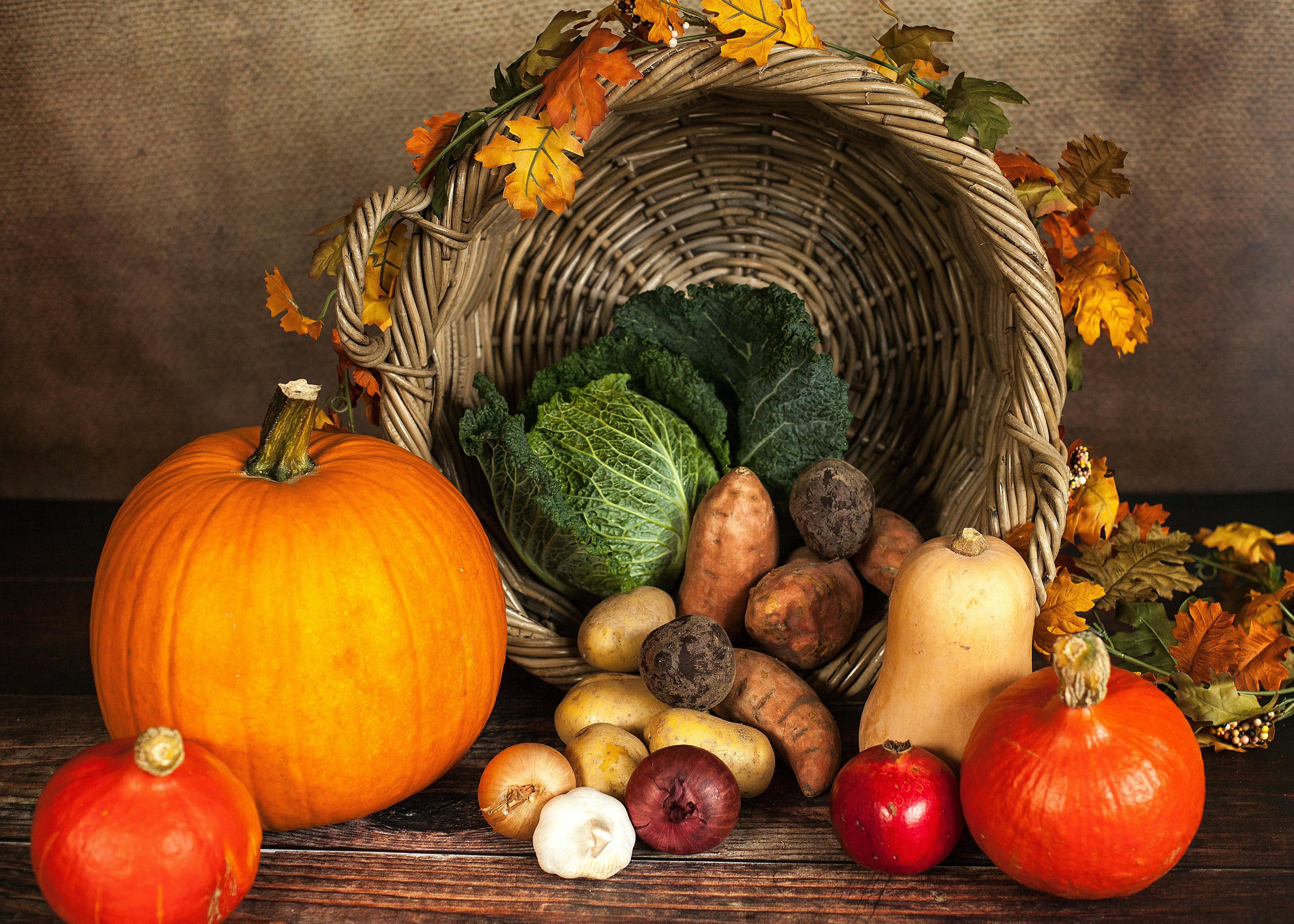
We were talking about Thanksgiving, which is just around the corner, when the younger man in the house suddenly spoke up with bubbling excitement. “Mama, you’ll want to hear about Chuseok, a festival celebrated in Korea. It’s basically their version of Thanksgiving!” Of course, I was delighted to learn something new. This sparked an engaging bout of research about a few other festivals around the world that share the common spirit of gratitude.
Peeking at East Asia
Chuseok is Korea’s mid-autumn harvest festival, a time when families come together to celebrate the season’s bounty. In South Korea, the festivities last three days, including the day before and after the full moon, and in North Korea, the celebration is limited to the day of the full moon itself.
The festival’s origins date back over two thousand years to the Silla Kingdom, when weaving contests were held as part of harvest rituals. Today Chuseok is not only a celebration of the harvest but also a cherished occasion for ancestral worship and family reunions, keeping traditions and family bonds alive.
Similar in spirit to Chuseok are China’s Mid-Autumn Festival, or Mooncake Festival, and Japan’s Tsukimi. Both celebrate the autumn harvest and the full moon, emphasizing family gatherings, gratitude, and seasonal traditions.
What about Magh Bihu?
Being Assamese, my thoughts naturally turned to my home state’s festival of Magh Bihu, also known as Bhogali Bihu, celebrated in mid-January. It marks a favorable time for agriculture, when the land yields an abundance of fresh produce and people offer thanks to Mother Earth for her bountiful gifts.
Bihu Eve is synonymous with bonfires and grand festive meals shared among family and friends. On the morning of Bihu, prayers are offered to Lord Agni, the god of fire, seeking blessings of goodness and warmth for the year ahead. Breakfast that day is a delightful spread of sweet and savory delicacies.
Across India, this winter harvest festival is celebrated under different names but with the same spirit: Poush Parbon in West Bengal, Uttarayan in Gujarat, Lohri in Punjab, and Pongal in South India.
Here and there around the globe
The UK’s Harvest Festival is a traditional celebration giving thanks for a successful harvest of crops. It usually takes place in late September or early October, around the time of the autumn equinox. People bring food items, especially seasonal produce, to church services or school events, which are then distributed to those in need. The festival emphasizes gratitude, sharing, and community support.
In Germany, both Catholic and Protestant churches celebrate Erntedankfest to thank God for a good harvest and to rest after months of hard work. Sheaves of wheat and fruits adorn the church altar, and it is typically observed on the first Sunday of October, though dates may vary by local tradition.
In Africa, the Oromo people observe Irreecha, a festival that marks the end of the dark and rainy season and signals the arrival of spring. They offer prayers of gratitude for the blessings of the past year.
Sukkot, a week-long Jewish holiday, celebrates both the harvest and God’s protection of the Israelites during their 40 years in the desert. Known as the Festival of Booths or the Festival of Tabernacles, it emphasizes gratitude, shelter, and divine care.
A World of Thanks
Gratitude is a language spoken in every corner of the world. Across continents and cultures, festivals of thanks at different times of the year share a common purpose: acknowledging the blessings life offers. While not all hold the same historical or cultural prominence as American Thanksgiving, many spring from a universal desire to honor the gifts of harvest, family, community, and divine protection.
A very happy Thanksgiving to all who celebrate!

 rashmi writes