
On a cold winter evening in Tennessee, my telephone rang around 6:30 PM on a Friday. Yes, it was the landline because I am talking about 1992, a time when I was not among the privileged 0.4% of the world’s population who owned a cell phone.
The excited voice on the other end of the line said, “Hey! FLAG is having a potluck lunch on Sunday afternoon, and we are taking you guys with us!”
Two things in her statement puzzled me, and she was quick to explain both. FLAG, I was told, stood for “Food Lovers and Gossipers.” I remember thinking how refreshingly honest they were to call themselves gossipers!
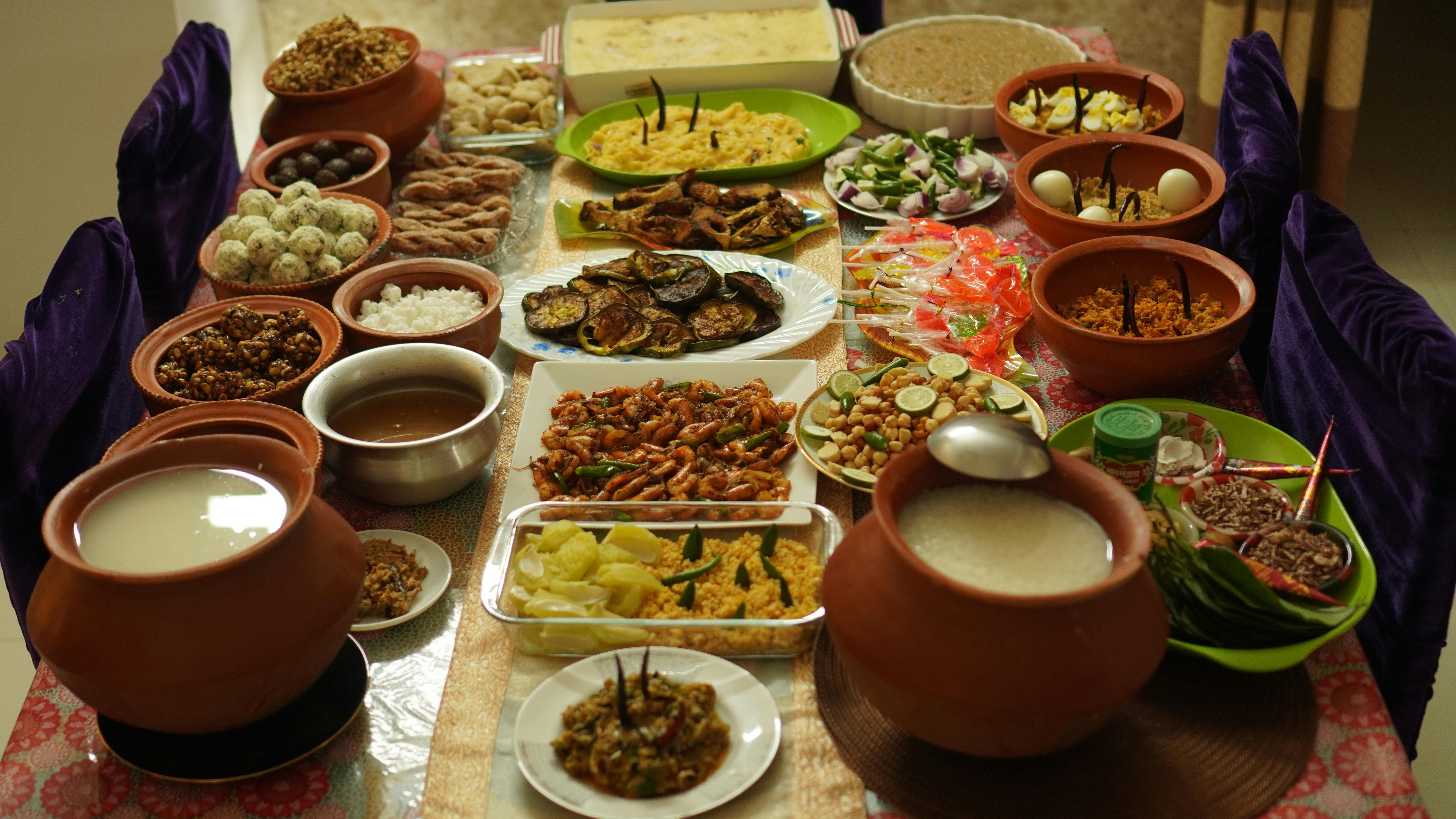
But what exactly did potluck mean? Having been in the United States for only a couple of weeks, I was still completely unfamiliar with American culture and social life. I soon learned that a potluck is a gathering where each family or guest brings a dish to share with everyone.
How did “pot” and “luck” become part of the concept?
It is believed that the word potluck first appeared in the 16th-century play Summer’s Last Will and Testament by Thomas Nashe:
“We had but even a pot-luck, a little to moisten our lips, and no more.”
Life in the 1500s was relatively simple, and hospitality was considered an important virtue. Families often kept extra food simmering in a pot over the fire in case an unexpected guest arrived. The meal served to the visitor depended entirely on the “luck of the pot”, whether the pot happened to contain something hearty, simple, or perhaps very little at all.
Over time, the phrase evolved from describing whatever food was available for an unannounced guest to the modern meaning of a shared meal where everyone brings a dish.
Evolving Over Time in Different Forms
Church potlucks became popular among American immigrant communities throughout the 19th and early 20th centuries. The period between the end of World War I and the beginning of World War II also saw potlucks being used as fundraising events by churches and other community organizations.
During the Great Depression of the 1930s, when food was scarce, communities gathered to share meals prepared in one another’s kitchens. This not only helped families support each other but also gave people access to a wider variety of food.
Today, potlucks are seen as enjoyable social gatherings that offer an opportunity to experience the diverse dishes each person brings to the table. Beyond the variety of food and shared camaraderie, potlucks also make hosting far more relaxed and enjoyable, as the responsibility of preparing the entire meal is shared among everyone.
Did India jump on the bandwagon, or did we simply call it something else?
As someone born in India during the late 1960s, I had never heard the term potluck. Yet the concept itself was far from unfamiliar. The tradition of contributing food to a shared gathering has existed in India for generations and is deeply woven into the country’s social and cultural fabric.
Indian communities have long practiced communal dining through neighborhood feasts, shared meals at places of worship, and collective cooking during weddings, festivals, and religious celebrations. Families and neighbors would each prepare dishes and come together to share food, fellowship, and hospitality, essentially the very spirit of what is now called a potluck.
What changed over time was not the tradition, but the name. Since the late 1990s, the word potluck has become increasingly common in urban India, influenced by globalization and Western culture, particularly through the Indian diaspora and media exposure. In many ways, India did not adopt a new practice; it simply embraced a modern Western name for one of their most unique customs.
At the heart of every potluck lies the simple joy of sharing. It is not just food but warmth, memories, and culinary traditions. And as I conclude these thoughts, my mind drifts to the dish that I plan to carry for this Sunday’s spring potluck lunch hosted by a dear friend!


